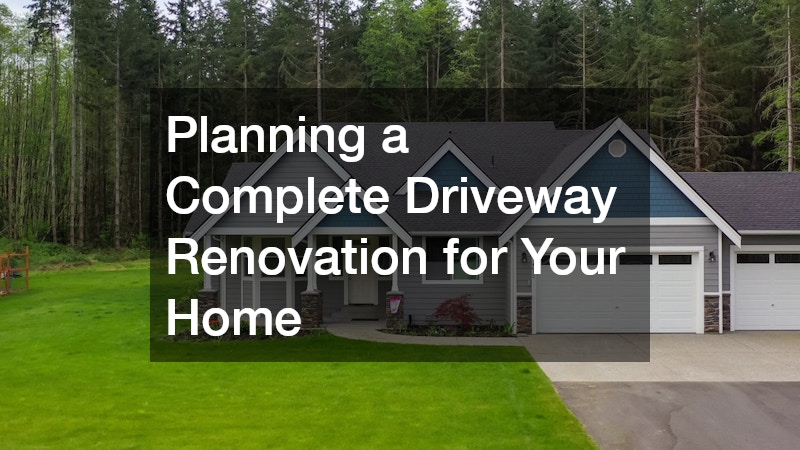
Creating a Driveway That Adds Lasting Value to Your Home
A driveway renovation is one of the most impactful exterior improvements a homeowner can make. While many people focus on landscaping, siding, or roofing upgrades, the driveway is often one of the first features visitors notice when approaching a property. A worn, cracked, or outdated surface can instantly reduce curb appeal, while a clean and professionally designed entrance creates a polished and welcoming appearance.
Beyond aesthetics, a driveway also plays an important functional role. It supports vehicles daily, handles changing weather conditions, and affects drainage around the home. Over time, exposure to moisture, sunlight, freezing temperatures, and heavy traffic can lead to deterioration that impacts both appearance and safety. Renovating your driveway gives you the opportunity to improve durability, reduce maintenance issues, and customize the space to better fit your lifestyle.
Planning a full renovation requires more than simply choosing a material and hiring a crew. Homeowners should carefully evaluate the current condition of the driveway, determine long-term goals, compare surface options, and prepare financially for the project. Thoughtful planning can help avoid unnecessary repairs, costly mistakes, and disappointing results.
This guide explains the key steps involved in designing and completing a successful driveway renovation so you can make informed decisions and maximize your investment.
Evaluate the Condition of Your Existing Surface

Before making design decisions, take time to assess the current state of your driveway. Understanding the extent of damage will help determine whether a simple repair is possible or if a full replacement is the better long-term solution.
One of the most common warning signs homeowners notice is cracking. Small hairline cracks may seem minor initially, but they often expand over time due to water infiltration and temperature changes. If left untreated, those cracks can eventually turn into potholes or unstable sections. Areas that sink or become uneven may also indicate problems beneath the surface, such as poor compaction or drainage failures.
In many cases, homeowners initially attempt minor blacktop repairs to extend the life of an aging driveway. While repairs can temporarily improve appearance and functionality, they may not solve deeper structural issues. Repeated patchwork can also create an uneven look that reduces curb appeal.
Drainage is another critical factor to inspect during the planning stage. Water pooling near the driveway often signals grading problems that can weaken the foundation underneath. During winter, standing water may freeze and expand, causing additional cracking and surface movement. Correcting drainage issues during the renovation process helps prevent future damage and improves longevity.
It’s helpful to create a renovation checklist before contacting professionals. Make note of visible cracks, potholes, drainage concerns, edge deterioration, and areas where the surface feels unstable. Prioritizing these issues will help guide discussions with contractors and ensure the project addresses both cosmetic and structural needs.
If your driveway has extensive cracking across large sections, multiple repairs over the years, or severe drainage problems, a complete replacement is usually the most cost-effective option in the long run.
Compare Materials Carefully Before Choosing a Design
Selecting the right driveway material is one of the biggest decisions in the renovation process. Every option has unique advantages, maintenance requirements, and visual characteristics that affect long-term satisfaction.
For many homeowners, asphalt paving is a practical and affordable solution. Asphalt offers a smooth appearance, handles colder climates well, and can often be installed relatively quickly. It also provides flexibility that helps reduce cracking during freeze-thaw cycles. Asphalt is commonly chosen for homes with heavy vehicle traffic because it performs well under daily use.
However, asphalt requires periodic maintenance to preserve its appearance and protect it from weather damage. Over time, sunlight and moisture can cause fading and surface wear if proper upkeep is neglected.
A concrete driveway offers a different set of benefits. Concrete is known for its clean appearance, long lifespan, and ability to complement a wide range of architectural styles. Homeowners who want decorative finishes, stamped patterns, or custom textures often prefer concrete because of its design versatility.
Concrete generally requires less routine maintenance than asphalt, but it can be more expensive upfront. In colder climates, improper installation may lead to cracking due to freezing conditions. Proper reinforcement and expansion joints are essential for durability.
When comparing materials, think about your local climate, expected vehicle load, maintenance preferences, and overall design goals. Some homeowners prioritize affordability and easy repairs, while others value longevity and upscale appearance.
It’s also important to consider how the driveway complements the rest of the property. A modern home may benefit from sleek finishes and clean lines, while a rustic or traditional property may look better with more textured or natural materials.
Choosing the right surface involves balancing appearance, durability, maintenance, and budget to create a solution that works well for your lifestyle over many years.
Decide Whether a Loose Surface Fits Your Property
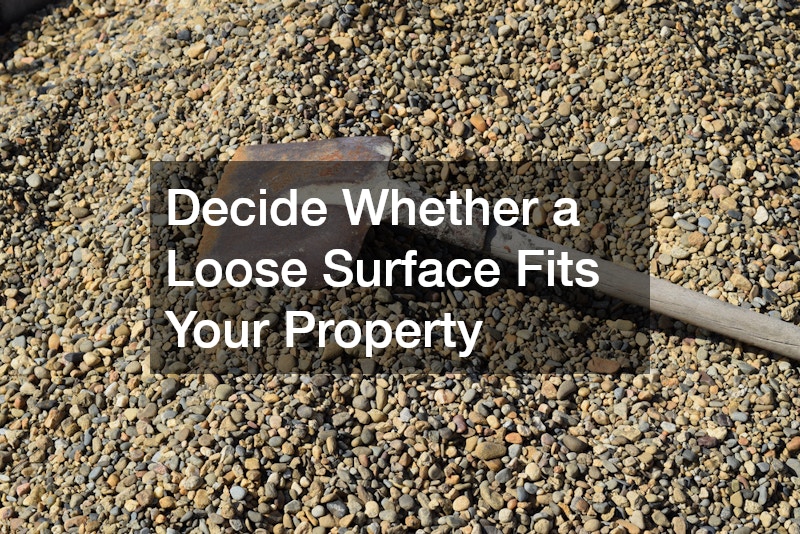
Although paved driveways are popular, loose-surface options remain attractive for certain homes and budgets. A gravel driveway can provide a charming, natural look while offering affordability and flexibility.
Gravel is often a practical solution for rural homes, long driveways, vacation properties, or homeowners seeking lower installation costs. Because gravel allows water to drain naturally, it can help reduce runoff issues in some situations. Installation is typically faster than paved alternatives, and repairs are usually less expensive.
However, gravel also requires more ongoing maintenance than hard surfaces. Stones can shift over time due to traffic, snow removal, or heavy rainfall. Without proper edging, gravel may spread into landscaping or walkways, creating an untidy appearance.
Homeowners considering gravel should pay close attention to base preparation. A stable foundation helps prevent ruts and uneven areas from forming. Installing high-quality edging materials can also improve durability and reduce migration of loose stones.
Regular upkeep is essential to maintain appearance and functionality. Periodic regrading helps redistribute gravel evenly and prevents potholes from developing. Adding fresh stone every few years may also be necessary to maintain depth and coverage.
Drainage planning remains important even with gravel installations. Sloping the surface properly helps prevent washouts and erosion during storms. In areas with heavy rainfall, additional drainage systems may still be needed.
For homeowners seeking a budget-friendly and rustic aesthetic, gravel can be a highly functional option when installed and maintained correctly.
Choose Professionals With Proven Experience
Hiring the right team can make the difference between a successful renovation and years of ongoing problems. Homeowners should carefully research contractors before signing agreements or making deposits.
Experienced paving contractors understand how soil conditions, drainage, climate, and material selection affect driveway performance. Their expertise helps prevent installation mistakes that often lead to premature cracking, sinking, or drainage failures.
It’s wise to collect multiple estimates before choosing a contractor. Comparing bids allows homeowners to understand price ranges, project timelines, and included services. Be cautious of unusually low estimates, as they may indicate shortcuts in materials or labor quality.
Ask detailed questions during consultations. Find out how long the company has been operating, whether they carry insurance, and what type of warranty they provide. Reputable professionals should willingly provide references and examples of previous residential projects.
Homeowners should also verify whether the company specializes in residential work. Some driveway contractors focus primarily on commercial paving projects and may not offer the same level of customization or attention to detail needed for home renovations.
Communication is another important factor. Contractors who clearly explain timelines, preparation requirements, and maintenance expectations are often easier to work with throughout the project. Delayed responses or vague answers during the estimate stage can sometimes indicate future communication problems.
Online reviews can provide additional insight into customer experiences. Look for consistent feedback regarding punctuality, workmanship, cleanliness, and professionalism. While a few negative reviews are common for most businesses, repeated complaints about unfinished work or poor communication should raise concerns.
A well-qualified contractor will help guide material selection, explain installation procedures, and recommend solutions tailored to your property’s specific needs.
Protect Your Investment With Ongoing Maintenance
A newly renovated driveway can last for decades when maintained properly. Preventive care not only preserves appearance but also reduces the likelihood of expensive future repairs.
One of the most effective maintenance strategies for asphalt surfaces is scheduling a professional sealcoating service. Sealcoating creates a protective barrier that shields the surface from moisture, sunlight, oil spills, and oxidation. Without this protection, asphalt can dry out, fade, and become more vulnerable to cracking.
Most professionals recommend sealcoating every few years, depending on climate conditions and traffic levels. Applying sealant too frequently, however, may not provide additional benefits and could create buildup issues. Following professional recommendations ensures optimal protection.
Regular inspections are also important for catching minor problems before they worsen. Small cracks should be repaired promptly to prevent water from penetrating the surface. Seasonal temperature changes can quickly turn small imperfections into larger structural problems.
Cleaning the driveway periodically helps maintain appearance and prevent damage from oil stains, dirt buildup, and debris accumulation. Leaves and standing water should be removed regularly, especially during fall and winter months.
Snow removal practices can also impact driveway lifespan. Using metal shovels aggressively may damage certain surfaces, while harsh deicing chemicals can contribute to deterioration over time. Choosing driveway-safe snow removal products helps minimize wear.
Homeowners should also pay attention to drainage patterns around the property after installation. Water pooling near edges or foundations may signal grading issues that need correction before damage occurs.
Creating a yearly maintenance routine can significantly extend the lifespan of your driveway while protecting the value of your renovation investment.
Add Features That Improve Function and Security

A driveway renovation provides an excellent opportunity to incorporate upgrades that improve both convenience and property security. Functional additions can also increase curb appeal and enhance the overall design of the exterior.
One increasingly popular feature is the installation of a driveway gate. Gates offer privacy, controlled access, and an upscale appearance that many homeowners find appealing. They can also improve safety for families with children or pets by limiting vehicle access to the property.
Before installing a gate, homeowners should carefully evaluate available space and property layout. Swing gates require sufficient clearance to open properly, while sliding gates need room along the fence line for operation. Choosing the correct style depends largely on driveway dimensions and surrounding landscaping.
Material selection also matters. Wood gates can create a warm and traditional appearance, while metal gates often provide greater durability and lower maintenance. The gate design should complement the architectural style of the home and the overall driveway aesthetic.
Automation features are another consideration. Many homeowners choose remote-controlled or keypad-operated systems for convenience and improved security. Smart technology integration may also allow gate access through mobile devices.
Electrical planning is often necessary for automated systems. Homeowners should discuss wiring, power supply, and drainage concerns with installers early in the planning process to avoid unexpected complications.
Lighting is another upgrade worth considering during renovation. Strategically placed lighting improves nighttime visibility while enhancing safety and curb appeal. Well-lit entrances also create a more welcoming appearance after dark.
By combining practical upgrades with thoughtful design, homeowners can transform a basic driveway into a more secure and visually impressive entrance.
Focus on Proper Installation Techniques From the Start
Even the highest-quality materials can fail prematurely if installation is handled incorrectly. The success of a driveway renovation depends heavily on preparation, grading, and foundation work beneath the visible surface.
A professional paving service begins with careful excavation and site preparation. Removing unstable soil and creating a properly compacted base are essential for preventing future settling and cracking. Poor base preparation is one of the most common causes of premature driveway failure.
Proper grading is equally important. Water should flow away from the driveway and nearby structures to minimize erosion and moisture damage. Even small grading mistakes can lead to standing water that weakens the foundation over time.
For concrete installations, reinforcement methods also affect durability. A reliable concrete service may use wire mesh or steel reinforcement to strengthen the slab and reduce the likelihood of cracking. Expansion joints are another important feature that allows concrete to expand and contract naturally during temperature changes.
Compaction equipment, material thickness, curing time, and weather conditions all influence the quality of installation. Homeowners should avoid rushing projects simply to meet tight schedules. Allowing sufficient curing and settling time improves long-term performance.
Before approving the completed project, conduct a detailed walkthrough with the contractor. Inspect edges, transitions, drainage slopes, and surface smoothness carefully. Ask questions about recommended maintenance schedules and warranty coverage.
A properly installed driveway should not only look attractive but also provide years of reliable performance with minimal issues.
Turning Your Renovation Plans Into Long-Term Success

A complete driveway renovation is more than just an exterior upgrade. It’s an investment in your home’s appearance, safety, functionality, and long-term value. Careful planning allows homeowners to avoid costly mistakes while creating a surface that performs well for many years.
The most successful projects begin with a clear understanding of the driveway’s current condition and long-term goals. Evaluating structural damage, comparing material options, hiring qualified professionals, and prioritizing drainage all contribute to better outcomes.
Maintenance should also remain part of the overall strategy after installation is complete. Consistent care helps protect your investment while reducing the likelihood of major future repairs.
Whether your goal is to improve curb appeal, increase durability, or create a more functional entrance, taking the time to plan carefully will help ensure the finished result meets both your practical needs and aesthetic expectations.