
The garage is often the most underutilized square footage in a home, serving as a graveyard for old holiday decorations and cardboard boxes. However, for the dedicated maker, mechanic, or woodworker, it represents a blank canvas for the ultimate workspace. Transforming this area into a functional, inspiring home workshop requires more than just a workbench and a set of tools; it demands a strategic overhaul of the environment from the floor up.
Clearing the Path for Creative Productivity

Before you can build the workshop of your dreams, you must confront the accumulation of years of household overflow. A successful transformation begins with a radical purge of anything that does not serve your new vision. This stage is about reclaiming the physical footprint of the garage so you can accurately measure and plan your layout without obstruction.
Efficiency is key during this initial phase. To keep the process moving quickly and prevent debris from piling up on your driveway, consider the logistics of waste management. Utilizing a dumpster rental allows you to dispose of bulky items, old building materials, and unusable junk in one fell swoop, keeping your workspace clear and your neighbors happy.
When sorting through your belongings, categorize items into three distinct piles: keep, donate, and discard. Be ruthless in this process. If you haven’t used an item in over two years, it likely doesn’t belong in your new high-productivity environment. Clearing the floor is not just about aesthetics; it is about safety and ensuring you have the room to maneuver large sheets of plywood or heavy automotive parts.
- Audit your inventory: List every large tool you plan to house.
- Identify waste: Separate recyclables from general landfill trash.
- Clear the perimeter: Ensure all walls are visible to check for moisture or structural issues.
Preparing the Foundation for Heavy Use
For older garages with layers of oil, paint, or grime, traditional scrubbing often isn’t enough to ensure a new finish will bond. Professional sandblasting is an excellent method to strip the surface back to its raw, clean state, creating the perfect profile for future treatments. This process removes latent contaminants that would otherwise cause coatings to peel or bubble over time.
Once the surface is prepped, applying a high-quality concrete floor coating will seal the substrate, making it impervious to moisture and vastly easier to sweep or mop after a long day of projects. A sealed floor also prevents “concrete dusting,” a common phenomenon where the surface of the slab breaks down into a fine powder that coats your tools and lungs.
- Patching cracks: Use a high-strength epoxy filler for any spiderwebbing or deep pits.
- Moisture testing: Perform a simple plastic sheet test to ensure your slab isn’t emitting excess vapor.
- Grinding vs. Blasting: Choose the method that best suits your floor’s current level of contamination.
Selecting High-Performance Flooring Systems
While standard sealants provide protection, a true workshop often requires a more specialized aesthetic and durability profile. The flooring should reflect light to improve visibility and offer enough grip to ensure safety when operating power tools. This is where the transition from a “garage” to a “studio” becomes tangible.
If you are looking for a showroom-quality finish that can withstand intense impact and chemical exposure, hiring a garage floor epoxy coating service is a worthwhile investment. These multi-layer systems offer a thickness and resilience that DIY kits rarely match. They often include a base coat, a chip or flake layer for texture, and a clear topcoat that resists hot-tire pickup and oil stains.
For a unique, high-end look that ties the interior to the exterior, you might even source decorative aggregates from a local limestone supplier to create a custom textured finish. Incorporating natural minerals into your exterior transitions or even as part of a custom masonry workbench base adds both beauty and slip resistance to the environment.
- Durability: Epoxy is rated for heavy loads and high traffic.
- Reflectivity: Glossy finishes can reduce the number of overhead lights needed.
- Maintenance: A simple squeegee and mild detergent are usually all that is required for cleaning.
Optimizing Entrance and Climate Control

The garage door is the largest moving part of your home and acts as the fourth wall of your workshop. If it is poorly insulated or prone to sticking, it will compromise your comfort and security. A workshop needs to be a space where you can work comfortably in the heat of summer or the chill of winter.
If your current door is thin or damaged, a new overhead door installation featuring high R-value insulation can significantly reduce noise and regulate temperature. Modern doors offer much better seals against wind and rain, which protect your expensive power tools from rust-inducing humidity.
To keep the mechanical components running smoothly despite the sawdust and debris common in a workshop, scheduling regular garage door service is essential. This ensures that the tracks are aligned and the springs are tensioned correctly, preventing a mid-project mechanical failure that could trap your vehicle or project inside.
- Insulation types: Look for polyurethane injected panels for the best thermal performance.
- Safety sensors: Ensure your photo-eyes are clean and aligned to prevent accidental closings on project materials.
- Weatherstripping: Check the bottom seal and side jambs for any light leaks that indicate air infiltration.
Vertical Storage and Heavy-Duty Organization
In a workshop, floor space is the most valuable commodity. Every square foot occupied by a box is a square foot where you can’t place a table saw or a project assembly table. Shifting your storage strategy from the floor to the walls is the fastest way to make a small garage feel like a massive studio.
Installing industrial-grade garage shelving allows you to store raw materials, lumber, and heavy tool cases safely off the ground. By utilizing the height of your walls, you keep your essential items within sight but out of the way. Look for steel-frame units that can be anchored directly into the wall studs for maximum weight capacity.
For smaller, more frequently used items like fasteners or hand tools, adding roll out cabinets beneath your workbenches provides the flexibility to bring your tools directly to the project. These mobile units allow you to reconfigure your workspace on the fly, which is vital when moving from a woodworking phase to a finishing phase.
- Zone your storage: Keep heavy items low and lightweight, seasonal items near the ceiling.
- Clear bins: Use transparent containers on your shelves so you can find hardware at a glance.
- Labeling: Even with clear bins, a labeling system saves minutes of searching every day.
Improving Lighting, Ventilation, and Privacy
A dark workshop is a dangerous workshop. Beyond overhead LED shop lights, natural light can boost morale and help with color accuracy in painting or finishing tasks. However, you must balance this need for light with the need for privacy and security for your expensive equipment.
Integrating window shutters into your garage windows allows you to control the inflow of natural light throughout the day while ensuring that passersby cannot see your valuable tool collection at night. These additions also provide an extra layer of insulation and can be closed tightly during high-dust activities like sanding.
Furthermore, if you are enhancing the exterior of the garage to match your new interior, consider how a reputable limestone supplier can provide stone veneer to reinforce the lower exterior walls. This material adds a premium aesthetic and an extra layer of durability against the elements, ensuring the exterior of your workshop looks as professional as the interior.
- Task lighting: Add dedicated lights over the workbench and stationary tools.
- Air filtration: Install a ceiling-mounted unit to pull fine dust out of the air.
- Cross-ventilation: Position fans to move air from the door toward a rear window or vent.
Managing Power Distribution and Air Supply

A professional workshop requires a robust electrical system. Most standard garages only have one or two outlets, which is insufficient for running a dust collector and a table saw simultaneously. Upgrading your electrical panel or adding a sub-panel can prevent tripped breakers and allow for 220V machinery.
- Dedicated circuits: Run separate lines for high-draw tools like compressors or welders.
- Ceiling drops: Use retractable cord reels to bring power to the center of the room without tripping hazards.
- Compressed air: Consider plumbing copper or specialized plastic lines along the walls for pneumatic tools.
If you follow digital plans or watch instructional videos while you work, ensuring a strong Wi-Fi signal in the garage is a modern necessity. A wall-mounted tablet or monitor can serve as a hub for your project documentation.
Ergonomics, Safety, and Strategic Workflow
The way you move through your workshop determines how much you enjoy using it. Ergonomics plays a massive role in preventing fatigue, so workbenches should be at a height that suits your specific tasks, whether that is detailed carving or heavy assembly. Create distinct zones for different types of work to maximize efficiency. A dirty zone for sanding and grinding should be located near your dust collection or the garage door, while a clean zone for final assembly and finishing should be isolated to prevent contamination. This mental and physical separation helps maintain a high level of quality in your output.
Safety should never be an afterthought in a home workshop. Because garages often store flammable liquids like gasoline, stains, and solvents, fire safety is paramount. Ensure you have the correct class of fire extinguisher easily accessible and that your smoke detectors are linked to the rest of the house. Dust management is another critical safety factor. Fine sawdust is not only a respiratory hazard but can also be explosive in high concentrations. A combination of point-of-source extraction on your tools and a general room air filter will keep the environment healthy for long-term use.
- Workflow Enhancements: Use anti-fatigue mats to save your joints, put large machinery on locking mobile bases for adaptability, and establish a large, flat central assembly table.
- Health and Protection: Maintain a dedicated station for personal protective equipment and first aid, and store all flammable chemicals in a specialized metal cabinet away from heat.
Soundproofing and Sustainability for a Modern Workshop
If you plan on running loud machinery late into the evening or early in the morning, soundproofing becomes a matter of being a good neighbor. Mass-loaded vinyl or specialized acoustic panels can be added to the walls to dampen the vibration and noise of saws and planers. The garage door is often the weakest link in sound transmission. Choosing a door with thick insulation not only helps with temperature but also acts as a massive sound barrier. Adding seals to the sides and top of the door will further prevent noise from leaking out into the street. To further refine the acoustics, place rubber pads under noisy stationary tools like air compressors and use thick batting in the ceiling to prevent sound from traveling to any rooms above the garage.
A modern workshop can also be an eco-friendly one. Consider using low-VOC (volatile organic compound) finishes and adhesives to maintain better indoor air quality. Implementing a rigorous recycling program for scrap metal and wood can also reduce your environmental footprint. You can improve efficiency by replacing old fluorescent tubes with LEDs and exploring solar power if your garage has a southern-facing roof to offset tool energy use.
- Acoustic Optimization: Use sound-absorbing foam to reduce internal echoes and vibration isolation pads to dampen heavy machinery.
- Eco-Friendly Upgrades: Focus on energy-saving LED lighting and sustainable waste management for scrap materials and gray water.
Executing the Final Layout
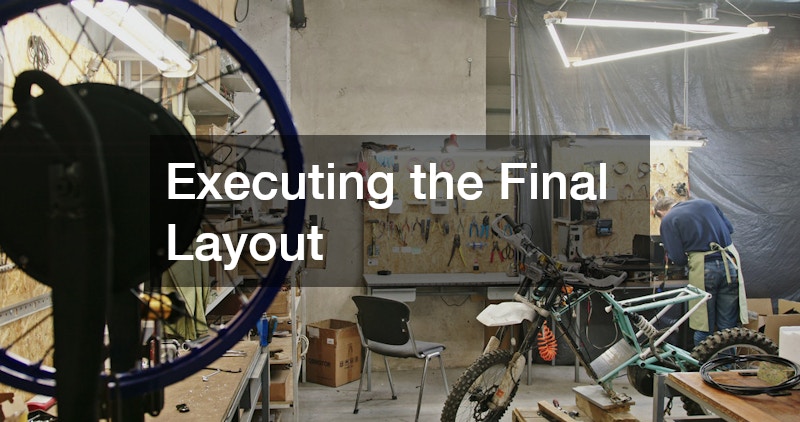
With the infrastructure in place, the final step is the arrangement of your work zones. Group your stationary power tools together to streamline your dust collection system and ensure that your assembly area is located in the brightest part of the room. This thoughtful placement ensures that your workflow remains uninterrupted and your movements are efficient.
By treating the garage as a professional environment rather than a storage catch-all, you create a space that actually invites you to work. The combination of a reinforced floor, secure entry points, and intelligent storage transforms the humble garage into a sanctuary of craft and repair that adds significant value to your home and your lifestyle. Taking the time to plan every detail—from the chemical resistance of the floor to the movement of air—ensures that your workshop will be a source of pride for years to come.